
Getting™ Started | Ledger® Live: Desktop® — official
Learn how Ledger Live Desktop works with compatible Ledger hardware wallets to support account management, portfolio tracking, device connectivity, application installation, and transaction review.
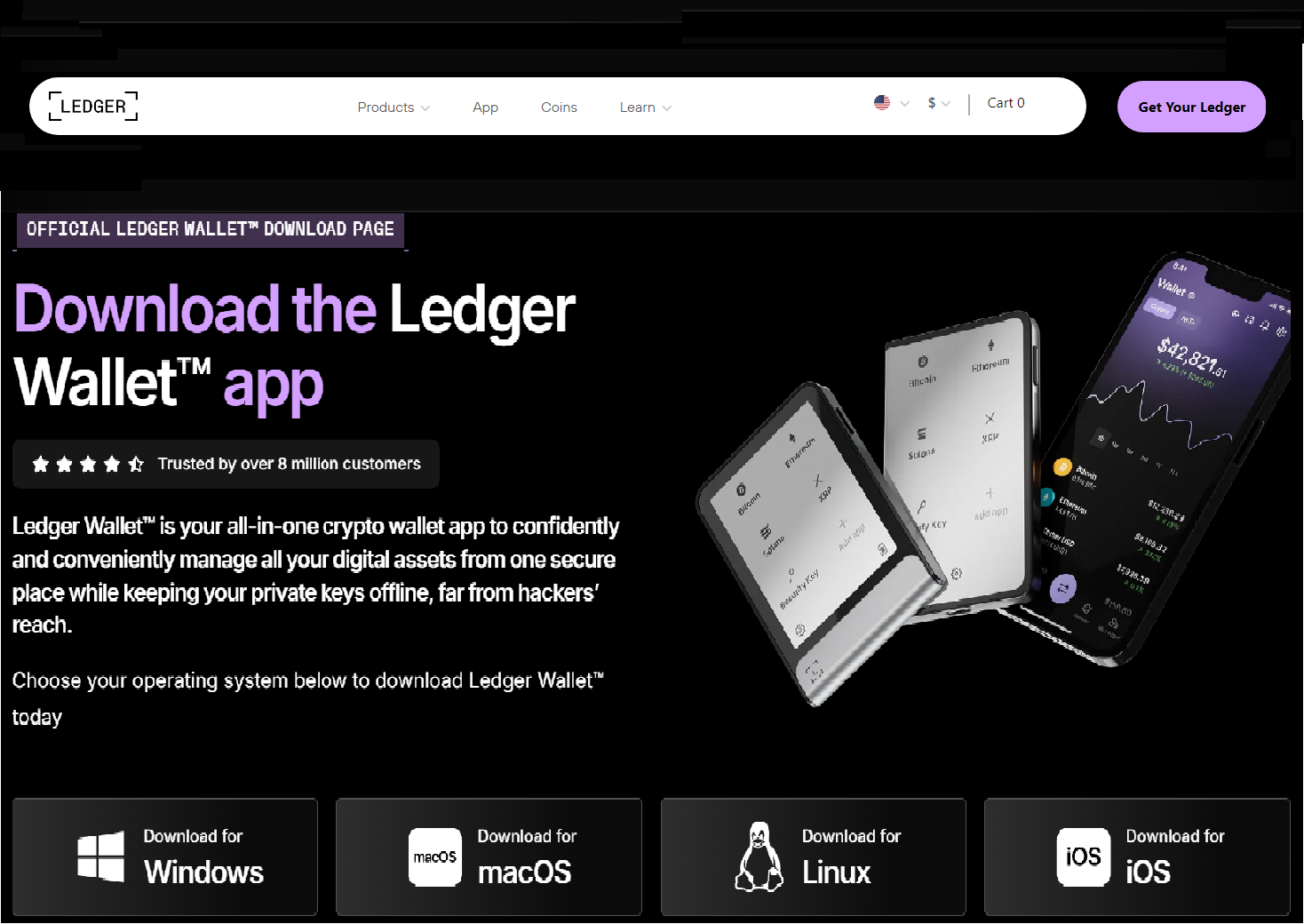
Ledger Live Desktop: A Complete Guide to Secure Crypto Management
Managing cryptocurrency from a desktop computer can become easier when wallet software provides a clear interface for viewing accounts, monitoring assets, installing supported applications, and preparing transactions. For users of a Ledger hardware wallet, Ledger Live Desktop is designed to provide a convenient software environment for interacting with supported digital assets while keeping transaction authorization connected to the physical device.
Understanding how the desktop application works is important for both new and experienced users. A secure setup involves more than installing an application. Users should also understand device connections, account management, transaction verification, software updates, recovery information, and common security risks.
What Is Ledger Live Desktop?
Ledger Live Desktop refers to the desktop-based environment used to interact with compatible Ledger hardware wallets. It provides an interface through which users can view supported cryptocurrency accounts, check balances, manage certain wallet functions, and prepare transactions.
The desktop application works alongside the hardware wallet rather than replacing it. The computer provides the interface, while the physical wallet is used for important security operations such as approving transactions.
Why Use a Desktop Wallet Interface?
A desktop environment can be useful for users who prefer managing cryptocurrency from a larger screen. Compared with a small mobile interface, a computer can make it easier to review account information, navigate settings, and examine transaction details.
Ledger Live Desktop can also bring several wallet-management activities into one interface. Depending on the supported device, assets, and current software capabilities, users may be able to manage accounts, install blockchain applications, review portfolio information, and maintain their wallet environment.
Preparing Before Installing Ledger Live Desktop
Before beginning, it is useful to prepare the computer and hardware wallet. Use a trusted computer with a current operating system and reliable security protections. Avoid installing wallet software on a computer that appears compromised or is controlled by someone else.
The hardware wallet should also be available, along with its required access credentials. Recovery information should remain private and offline. It should never be copied into a website, email, online form, or desktop application simply because someone claims it is required for account verification.
Installing the Desktop Application Carefully
Software installation should always be approached cautiously. Cryptocurrency users frequently encounter fake applications, misleading advertisements, cloned websites, and fraudulent downloads designed to imitate legitimate wallet software.
Before installing Ledger Live Desktop, confirm that the software comes from a trusted and appropriate source. Check the website address carefully and avoid download links received through unexpected messages, pop-ups, social media replies, or suspicious advertisements.
A genuine-looking application is not enough by itself. The source of the download matters just as much as the appearance of the software.
Connecting a Ledger Hardware Wallet
After the desktop environment is prepared, the hardware wallet can be connected according to the instructions applicable to the specific device. The connection allows the desktop interface to communicate with the physical wallet.
Users should pay attention to prompts displayed on both the computer and the device. When security-sensitive information or transaction details appear on the hardware wallet screen, the physical device should be treated as an important verification point.
Understanding the Role of the Hardware Wallet
Ledger Live Desktop and the hardware wallet have different responsibilities. The desktop application provides the user interface, while the hardware device adds a dedicated environment for security-sensitive operations.
This distinction is important because users should not assume that the desktop application alone provides the same protection as a hardware wallet. Transactions requiring authorization should be reviewed carefully and approved using the physical device when prompted.
Setting Up and Managing Accounts
Once the wallet is connected, users may be able to add or manage supported cryptocurrency accounts through the desktop interface. Account organization can make it easier to separate assets and understand where funds are held.
When adding an account, carefully check the asset and network involved. Cryptocurrency networks can have similar names, and sending funds through an incompatible network or address can create serious problems.
Taking a few extra moments to verify the selected account can prevent avoidable mistakes.
Viewing Your Cryptocurrency Portfolio
One useful function of a desktop wallet interface is the ability to review account information from a central location. Users can monitor supported balances and observe changes in their portfolio without manually checking every blockchain service separately.
Portfolio values may change frequently because cryptocurrency prices are volatile. A displayed fiat value should therefore be treated as an estimate rather than a fixed representation of the amount of cryptocurrency controlled by the wallet.
Receiving Cryptocurrency Safely
When receiving cryptocurrency, users should verify the receiving account and address carefully. Copying an address without checking it can create unnecessary risk, especially when malware or clipboard-based attacks are involved.
For important transfers, compare the address and network details carefully before completing the transaction. When practical, confirming information through the hardware wallet can provide an additional verification step.
Reviewing Transactions Before Approval
Transaction verification is one of the most important habits when using a hardware wallet. Before approving a transfer, review the recipient address, amount, network information, and applicable fees.
Do not approve a transaction simply because the desktop application displays a familiar name or because an unexpected website instructed you to do so.
The physical hardware wallet provides an important opportunity to check transaction information before authorization. If the details displayed on the device do not match what you intended, stop and investigate rather than approving the transaction.
Protecting Your Recovery Phrase
Your recovery phrase is among the most sensitive pieces of information associated with a hardware wallet. Anyone who obtains it may potentially gain access to the assets controlled by that recovery information.
Never type a recovery phrase into Ledger Live Desktop, a browser, a website, an email, or a messaging application unless the official device-specific recovery procedure explicitly requires something—and be especially suspicious of anyone asking for the phrase through a computer.
A legitimate support representative should not need your recovery phrase to provide ordinary assistance. Keep the backup protected, private, and offline.
Recognizing Phishing and Fake Wallet Software
Phishing remains one of the major risks facing cryptocurrency users. Fraudsters may create websites or applications that imitate familiar wallet brands and then ask users for sensitive information.
Warning signs can include urgent security messages, unexpected verification requests, promises of account recovery, requests for recovery phrases, suspicious download links, and messages claiming that funds will be frozen unless immediate action is taken.
Slow down whenever a wallet-related request creates unnecessary pressure. Verify the source independently rather than following instructions from the suspicious message itself.
Keeping Ledger Live Desktop Updated
Software updates can provide important improvements, compatibility changes, and security-related fixes. Users should therefore pay attention to legitimate update notifications and maintain their wallet software appropriately.
However, an update prompt should not automatically be trusted. Fake applications can display convincing update messages. Always verify that an update originates from a legitimate software source before installing it.
The hardware wallet itself may also have device-specific firmware or application requirements. Follow the instructions relevant to the particular device rather than relying on random online tutorials.
Common Ledger Live Desktop Mistakes
Several simple mistakes can create unnecessary problems. Installing software from an unofficial source is one of the most serious. Sharing recovery information is another.
Users should also avoid rushing through transaction confirmations, ignoring device warnings, selecting the wrong cryptocurrency account, or sending funds without checking the network.
Another common mistake is assuming that a successful connection means every transaction is safe. The connection only establishes communication between the software and device. The user still needs to verify what is being requested.
Troubleshooting Connection Problems
If Ledger Live Desktop does not recognize the hardware wallet, begin with basic checks. Confirm that the device is powered on, the connection is secure, and the computer recognizes the connected hardware.
Restarting the application or reconnecting the device may resolve temporary communication problems. Users should also check whether the software and device are compatible with the current operating system and supported wallet environment.
Avoid downloading unofficial drivers, patches, or remote-access programs simply because a stranger claims they are necessary to fix the problem.
Maintaining Good Desktop Wallet Security
Good security is an ongoing practice rather than a single installation step. Keep the computer protected, use strong account credentials where applicable, and avoid accessing wallet services from untrusted machines.
Never allow another person to control your computer while you are using a cryptocurrency wallet unless you completely understand the risks and have independently verified the support process.
Most importantly, protect your recovery information and treat every transaction approval as a security decision.
Ledger Live Desktop and Responsible Crypto Management
A desktop wallet interface can simplify many aspects of cryptocurrency management, but convenience should never replace careful verification. Users remain responsible for checking addresses, networks, transaction amounts, software sources, and security requests.
Using a hardware wallet adds an important layer to this process because sensitive transaction authorization can involve the physical device. Learning how the software and hardware work together helps users make better decisions.
Final Thoughts
Ledger Live Desktop can provide a practical environment for managing supported cryptocurrency accounts alongside a Ledger hardware wallet. Its value comes from combining a convenient desktop interface with the security role of the physical device.
A careful setup begins with trusted software, a secure computer, proper account configuration, and responsible handling of recovery information. From there, users should develop consistent habits such as checking transaction details, verifying addresses, avoiding phishing attempts, and keeping the wallet environment appropriately maintained.
Whether you are new to hardware wallets or already manage multiple cryptocurrency accounts, understanding how Ledger Live Desktop works can make everyday wallet management more organized and security-conscious.
Updated about 15 hours ago