
Ledger® Live Wallet— Getting Started™ | official Ledger™
Discover Ledger Live Login with guidance on accessing Ledger Live, connecting your Ledger hardware wallet, managing accounts, and following responsible security practices.
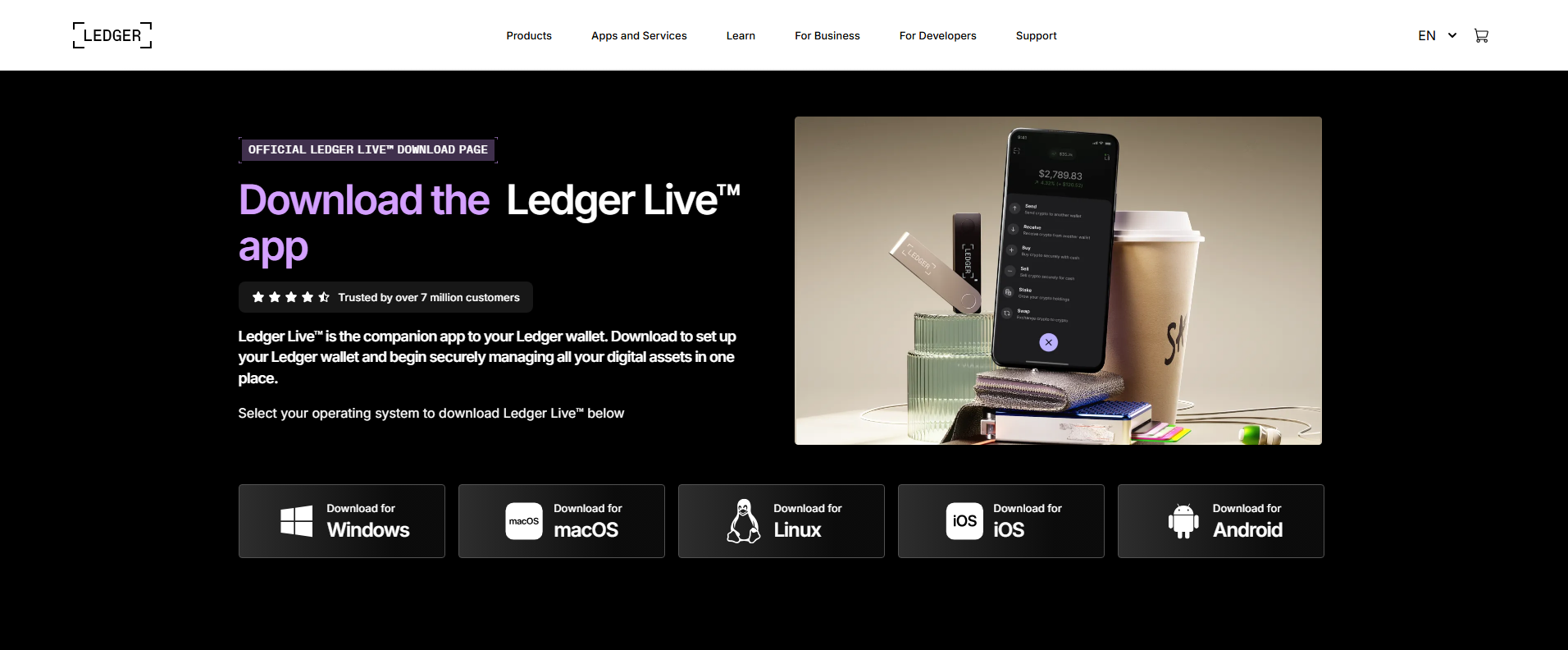
Ledger Live Login: A Complete Guide to Secure Wallet Access
Managing cryptocurrency through a desktop wallet environment requires more than simply opening an application. Users need to understand how wallet software connects with a hardware wallet, how accounts are accessed, and how transaction approvals are protected. A careful approach to Ledger Live login can help users maintain a more organized and security-conscious cryptocurrency management routine.
Ledger Live provides an interface for interacting with compatible Ledger hardware wallets and supported digital assets. Instead of treating login as a conventional online banking process, users should understand the relationship between the application, the physical wallet, device authentication, and account information.
What Is Ledger Live Login?
The phrase Ledger Live login is commonly used when referring to accessing and using the Ledger Live environment. The exact access process can depend on the application version, device, operating system, and features being used.
Unlike a traditional exchange account where a username and password may provide access to an online account, hardware-wallet management involves a physical security device. The Ledger device plays an important role when sensitive wallet operations and transaction approvals are required.
Understanding How Ledger Live Works
Ledger Live acts as an interface for managing supported cryptocurrency accounts and interacting with a compatible Ledger hardware wallet. Users may be able to view account information, manage supported assets, review transactions, and access other wallet-management functions through the application.
The software should not be confused with the physical hardware wallet itself. The application provides the interface, while the hardware device is designed to keep sensitive wallet credentials isolated from the computer during important operations.
Preparing for a Secure Ledger Live Login
Before accessing Ledger Live, users should make sure they are working from a trusted computer and a secure environment. Keeping the operating system and security software reasonably up to date can reduce exposure to common threats.
Users should also avoid accessing cryptocurrency wallets from public or shared computers whenever possible. A personal computer with appropriate security protections provides a more controlled environment for wallet management.
Most importantly, keep recovery information private. A recovery phrase should never be entered into a website, email, chat, or ordinary login form.
Using the Correct Ledger Live Application
One of the most important security steps is making sure that the Ledger application being used comes from a legitimate source. Cryptocurrency users can encounter fake wallet applications designed to imitate familiar interfaces.
Avoid downloading wallet software from unknown websites, unsolicited messages, suspicious advertisements, or unofficial file-sharing pages. A convincing logo or familiar-looking interface does not prove that an application is legitimate.
Before installing or opening wallet software, independently verify the source rather than trusting a link supplied by an unexpected message.
Connecting Your Ledger Hardware Wallet
After opening the appropriate application, the compatible Ledger hardware wallet can be connected according to the instructions applicable to the device. The computer and hardware wallet then work together when supported wallet operations are performed.
Users should carefully read prompts displayed on the computer and the physical device. If the hardware wallet asks for confirmation, do not approve the action automatically. Review what the device is asking you to authorize.
Understanding Device Authentication
Hardware-wallet security differs from the login process used by many ordinary websites. A password entered into a browser is not the same thing as authorization performed through a physical wallet.
The device may require an access code or other device-specific confirmation before sensitive functions can be performed. Users should keep this information private and avoid sharing it with other people.
If an unexpected application or website asks for credentials that seem unrelated to normal wallet operation, stop and verify the request before continuing.
Protecting Your Recovery Phrase
Your recovery phrase is fundamentally different from a normal login password. It is intended to serve as a backup for restoring access to the wallet under appropriate circumstances.
Because of its importance, the recovery phrase should remain offline and private. Do not type it into Ledger Live merely because a website or message claims that doing so is necessary for login, verification, synchronization, or account recovery.
Anyone who obtains sensitive recovery information may potentially gain control over the associated wallet. Treat the backup with the highest level of care.
Managing Ledger Accounts After Login
Once the wallet environment is accessible, users can organize supported cryptocurrency accounts according to their needs. Keeping accounts clearly organized can make it easier to identify assets and review balances.
Before performing an operation, confirm that you are working with the intended cryptocurrency and account. Similar asset names and multiple blockchain networks can sometimes create confusion.
A careful account-management routine reduces the chance of sending funds to an inappropriate destination.
Checking Wallet Balances Carefully
Ledger Live can provide a convenient way to review supported account information. Portfolio values may be displayed in different currencies and can change as cryptocurrency prices move.
Users should understand that displayed portfolio values are not necessarily fixed. Market prices can change quickly, while blockchain balances and transaction records represent different types of information.
If a balance appears unexpectedly different, investigate the relevant account and transaction history rather than immediately assuming that the wallet has been compromised.
Reviewing Transactions Before Approval
Transaction confirmation is one of the most important security stages when using a hardware wallet. Before approving a transaction, carefully review the recipient address, amount, network, and fees.
The physical device can provide an additional verification point because transaction information may need to be confirmed on the hardware wallet before authorization.
If the information shown on the physical device does not match what you intended to send, do not approve the transaction. Stop and investigate the discrepancy.
Recognizing Fake Ledger Login Pages
Phishing pages can imitate wallet interfaces and login screens. They may use familiar branding, urgent warnings, fake support messages, or claims that a wallet needs to be verified immediately.
Never enter your recovery phrase into a webpage to complete a supposed Ledger Live login. Be particularly cautious of websites asking for sensitive wallet information before allowing access.
When something feels unusual, close the page and independently navigate to a trusted source instead of continuing through the suspicious link.
Avoiding Fake Customer Support
Scammers sometimes pretend to be wallet support representatives. They may contact users through social media, messaging platforms, email, or other channels and claim that they can resolve an account problem.
A stranger asking for your recovery phrase, private credentials, or remote access to your computer should be treated as a major warning sign.
Legitimate troubleshooting should not require casually handing over sensitive wallet information to an unknown person.
Keeping Ledger Live Updated
Maintaining an appropriate software version can help ensure compatibility with supported devices and features. When an update is required, users should obtain it through a legitimate software source.
Do not install an update from an unexpected pop-up or a message that provides an unfamiliar download link. Fake updates are a common technique used to distribute malicious software.
After updating, review the application carefully and continue using the same security practices as before.
Common Ledger Live Login Problems
Users may occasionally experience connection issues, device recognition problems, synchronization delays, or application errors. These problems do not automatically mean that cryptocurrency has been lost.
Start with basic troubleshooting, such as checking the hardware connection, restarting the application, and confirming that the software and device are supported in the current environment.
Avoid downloading unofficial repair tools or allowing unknown individuals to remotely access your computer simply because they claim to be able to fix the problem.
What to Do When Something Looks Suspicious
If an unexpected login request, transaction, application message, or website appears, pause before taking further action. Do not provide sensitive information simply to make the warning disappear.
Close suspicious pages, disconnect from questionable services when appropriate, and independently verify the situation through trusted resources.
When managing cryptocurrency, taking a few extra minutes to investigate is generally safer than making a rushed decision.
Building Better Ledger Live Security Habits
Secure wallet management depends on consistent habits. Use trusted software, maintain control of your hardware wallet, protect recovery information, and carefully review transactions before approval.
It is also useful to keep personal computers reasonably secure and avoid unnecessary browser extensions or applications that could interfere with wallet-related activities.
Security should be considered an ongoing process rather than something completed during the first Ledger Live login.
Final Thoughts
Ledger Live login is best understood as part of a broader hardware-wallet management process rather than a simple username-and-password procedure. The software provides a convenient interface, while the compatible Ledger hardware wallet plays an important role in sensitive wallet operations and transaction authorization.
A safer experience begins with using legitimate software, protecting recovery information, checking account details, reviewing transactions on the physical device, and recognizing phishing attempts.
By combining careful login practices with responsible hardware-wallet security, users can create a more organized approach to managing supported cryptocurrency assets and reduce the risk of common mistakes.
Updated about 5 hours ago